최근 가스 가격 상승으로 인해 캘리포니아 주민들이 큰 어려움을 겪고 있습니다. 다른 주에 비해 캘리포니아의 가스 가격 상승폭이 더 크게 나타나고 있어, 지역 경제와 주민들의 생활에 큰 영향을 미치고 있습니다. 이에 따라 캘리포니아 정부와 주민들이 대책 마련에 고심하고 있는 상황입니다.
California’s Soaring Gas Prices Driven by Iran Conflict
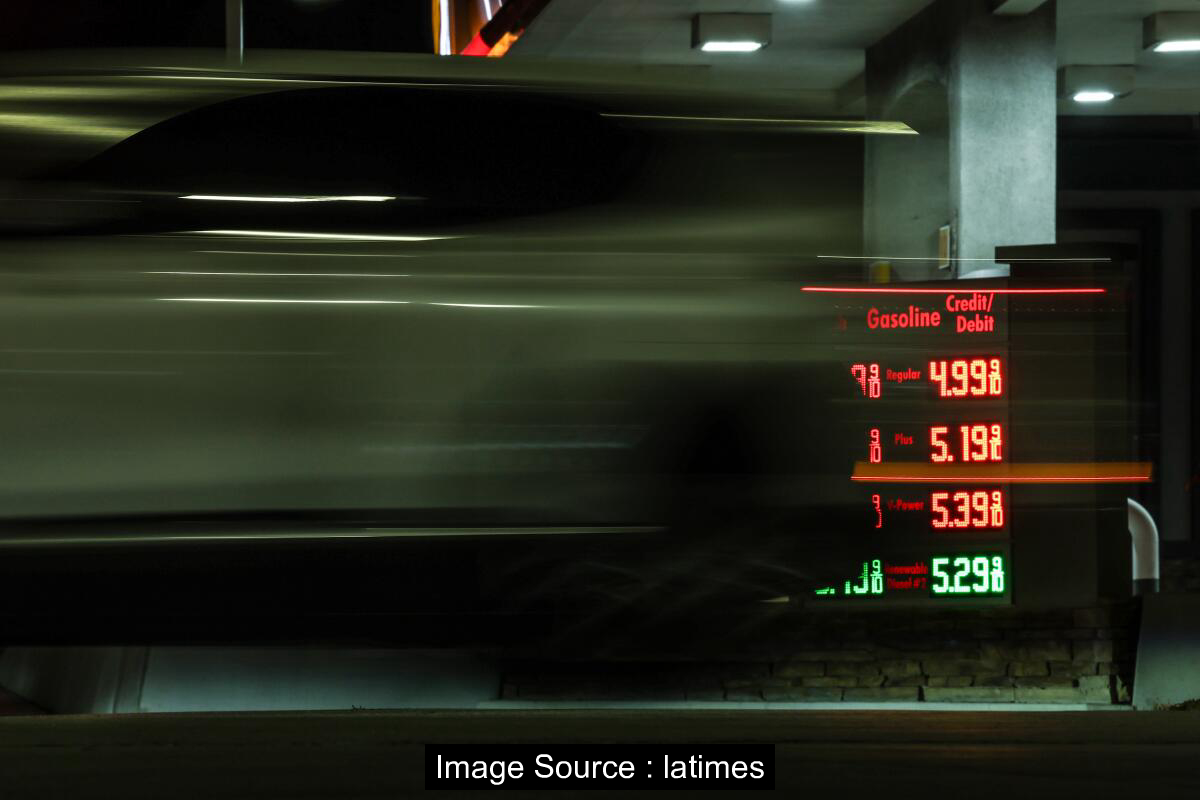
Californians are facing some of the highest gas prices in the country, with the average cost of a gallon of regular gas reaching $4.91, up 6% from a week ago and 11% from a month ago. This is due to the ongoing conflict in Iran, which has disrupted oil supplies and pushed up the price of a barrel of oil.
The conflict with Iran has strangled movement through the Persian Gulf, and California’s reliance on imported gasoline from overseas, including 30% from the volatile Middle East, has exacerbated the situation. Recent refinery closures have also reduced the state’s production capacity by 20%, forcing it to rely more on imported gasoline.
California’s stricter environmental regulations and recent policy decisions, such as the governor’s directive to stop issuing fracking permits and phase out oil extraction by 2045, have accelerated the decline in crude oil production, making the state more vulnerable to global energy disruptions.
The Impact on Californians
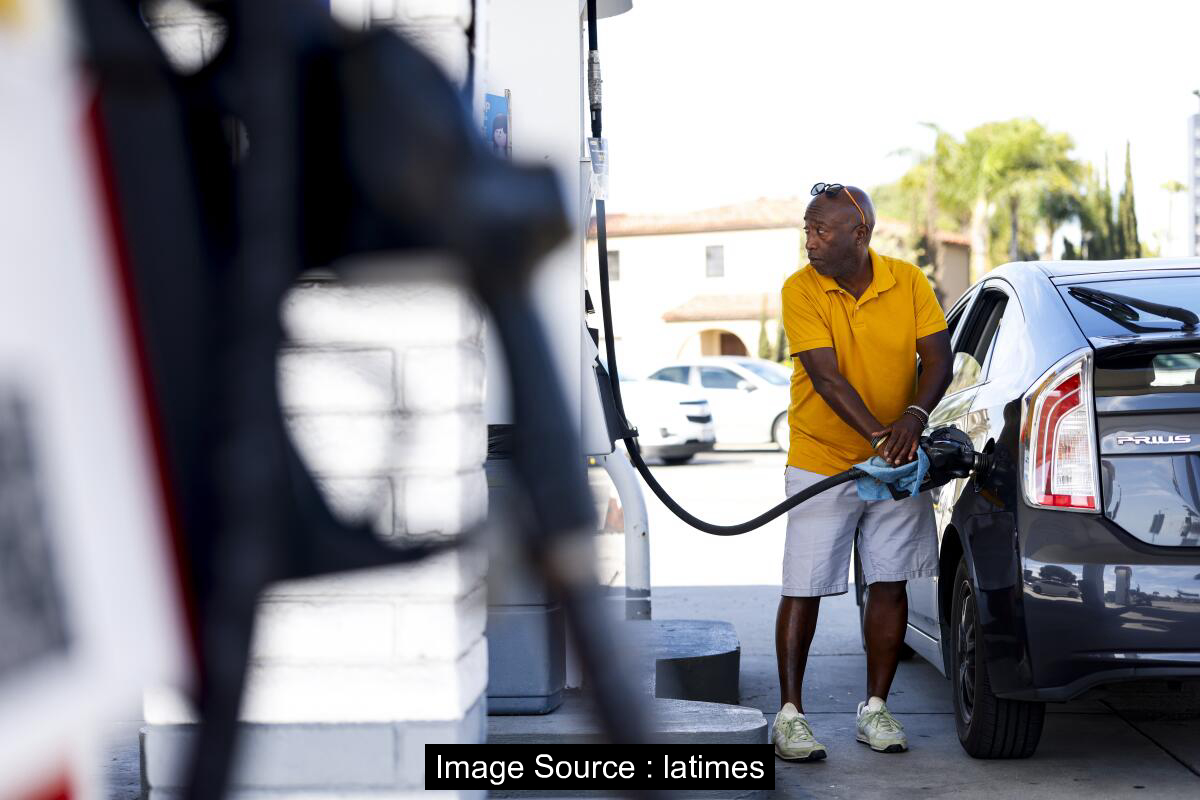
Californians are feeling the pain at the pump, with some paying as much as $5.55 per gallon. Drivers like Spencer Shearer are finding it increasingly difficult to budget for their gas expenses, and some are even reconsidering their road trips due to the surging fuel costs.
The high prices are not just affecting individual consumers but also businesses and the broader economy. Fuel marketers, gas station owners, and some voters have blamed the governor’s policies for the state’s reliance on imported gasoline and the resulting high prices.
The primary reason for the high gas prices in California is the reduction in local supply due to refinery closures, while demand has remained high. This has led to a greater reliance on imported gasoline, which can take more than a month to transport and is subject to global market fluctuations.
The Uncertain Future
It is difficult to predict how long the current spike in gas prices will last, as it depends on the course of the conflict in Iran and its impact on global oil supplies. Experts warn that the situation is fragile and highlights California’s vulnerability to global energy disruptions.
The state’s reliance on imported gasoline and the long transportation time required have exacerbated the supply bottlenecks, making the situation even more challenging. The recent refinery closures have further reduced the state’s refining capacity, contributing to the high prices.
Californians are expressing their frustration with the high gas prices, with some blaming the president’s decision to start a war with Iran. The situation has also led to discussions about the need for more long-term solutions, such as the development of alternative energy sources and infrastructure to reduce the state’s dependence on imported gasoline.